Now in pilot From the first hypothesis to the last regulatory filing  →

BioMate is your AI assistant for biomedical research and application.

  • 90% time saved — analyses that took weeks complete in minutes on cloud compute
  • Evidence-based QC — every result scored against published community standards, auto-remediated when it fails
  • 📋Audit & report ready — immutable trail, AI-authored findings, and a draft Methods section included in every run
  • 🔒Security & compliance — HIPAA, 21 CFR Part 11 e-signature, SOC 2, private VPC deployment available
Try:
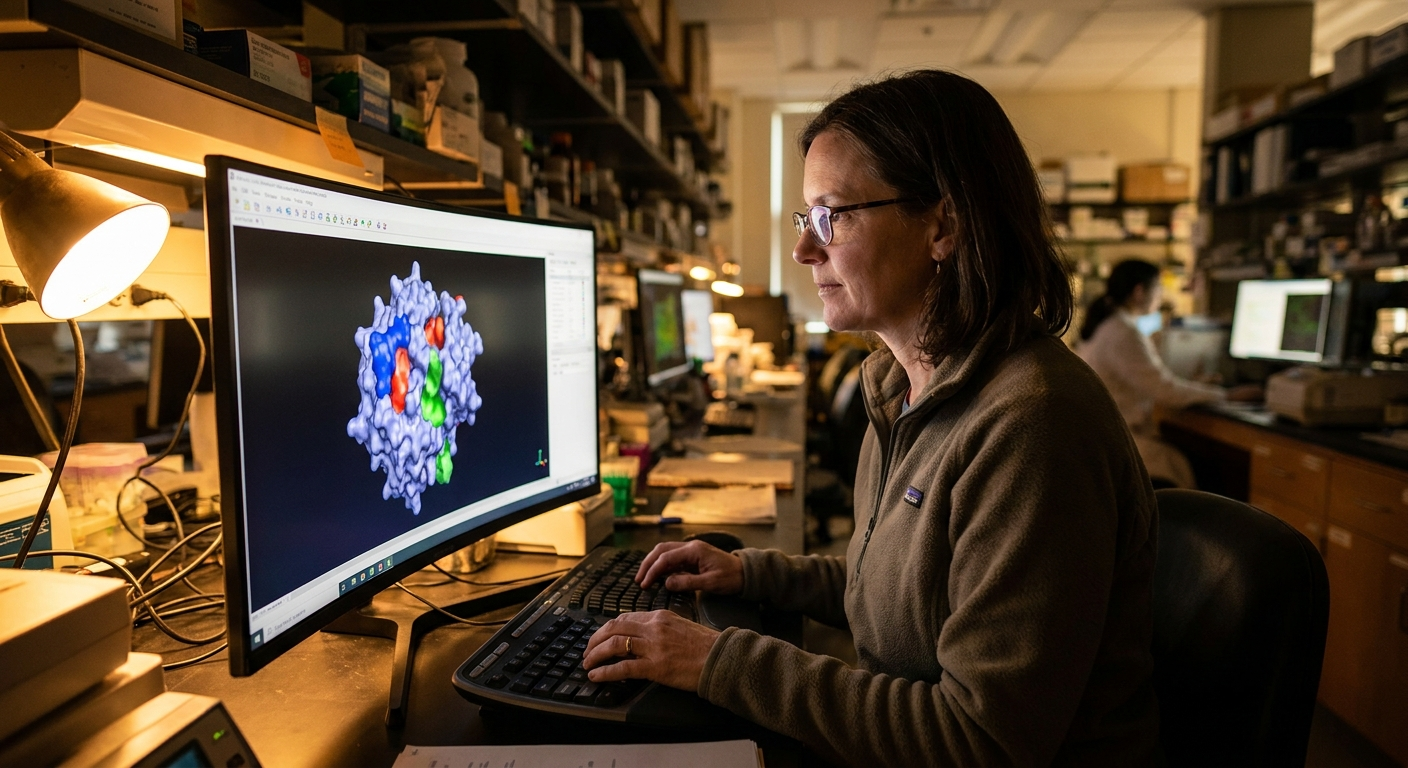
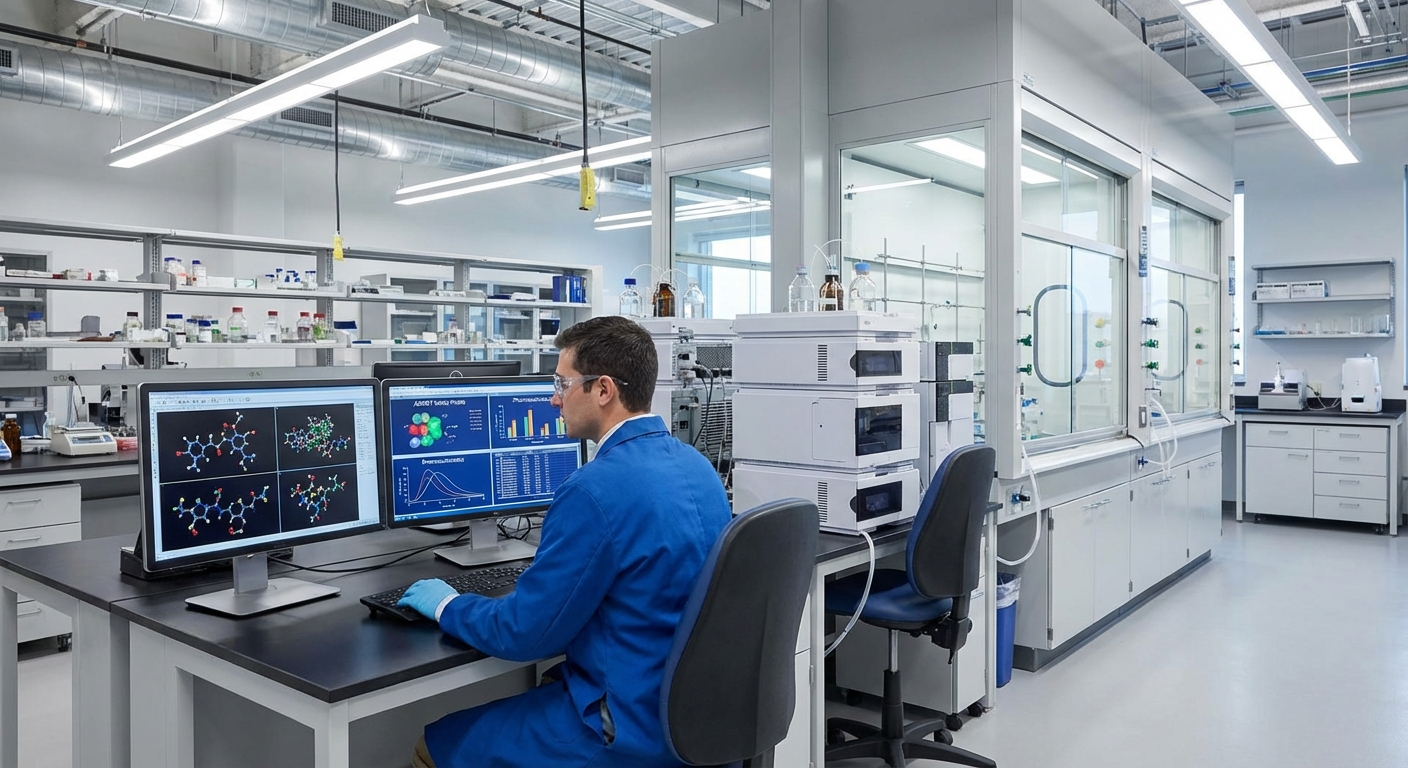
A scientist reviewing molecular data in the lab
Targets ranked
IL‑23A — #1 of 7 genetic support · drugability · safety
PK simulated
Predicted vs. observed 6 min · ready for DMPK review
Built for everyone doing hard biomedical research and clinical science

Academic labs, pharma teams, CROs, hospitals, core facilities — BioMate sits with the people doing the work.

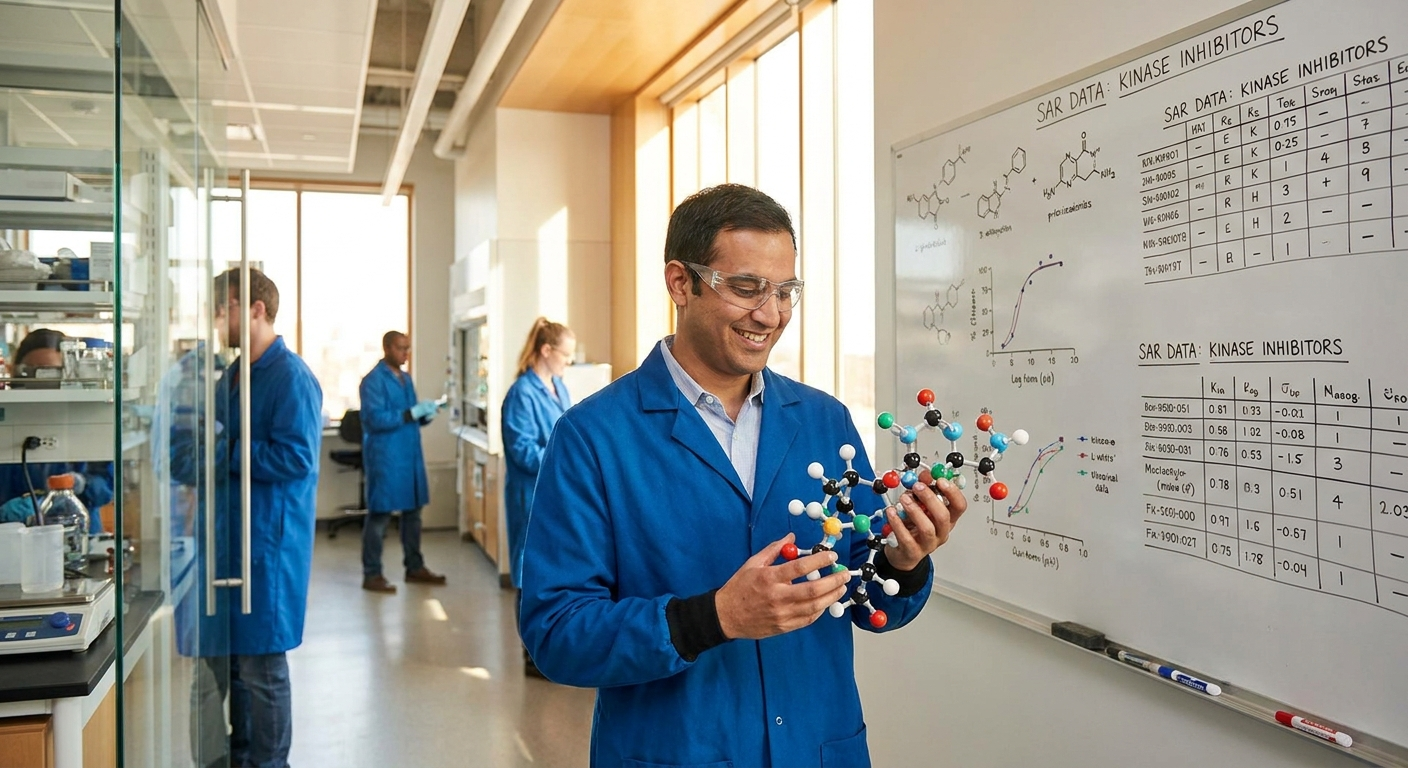
A bench scientist working in a wet lab
In the labBench scientists, every day
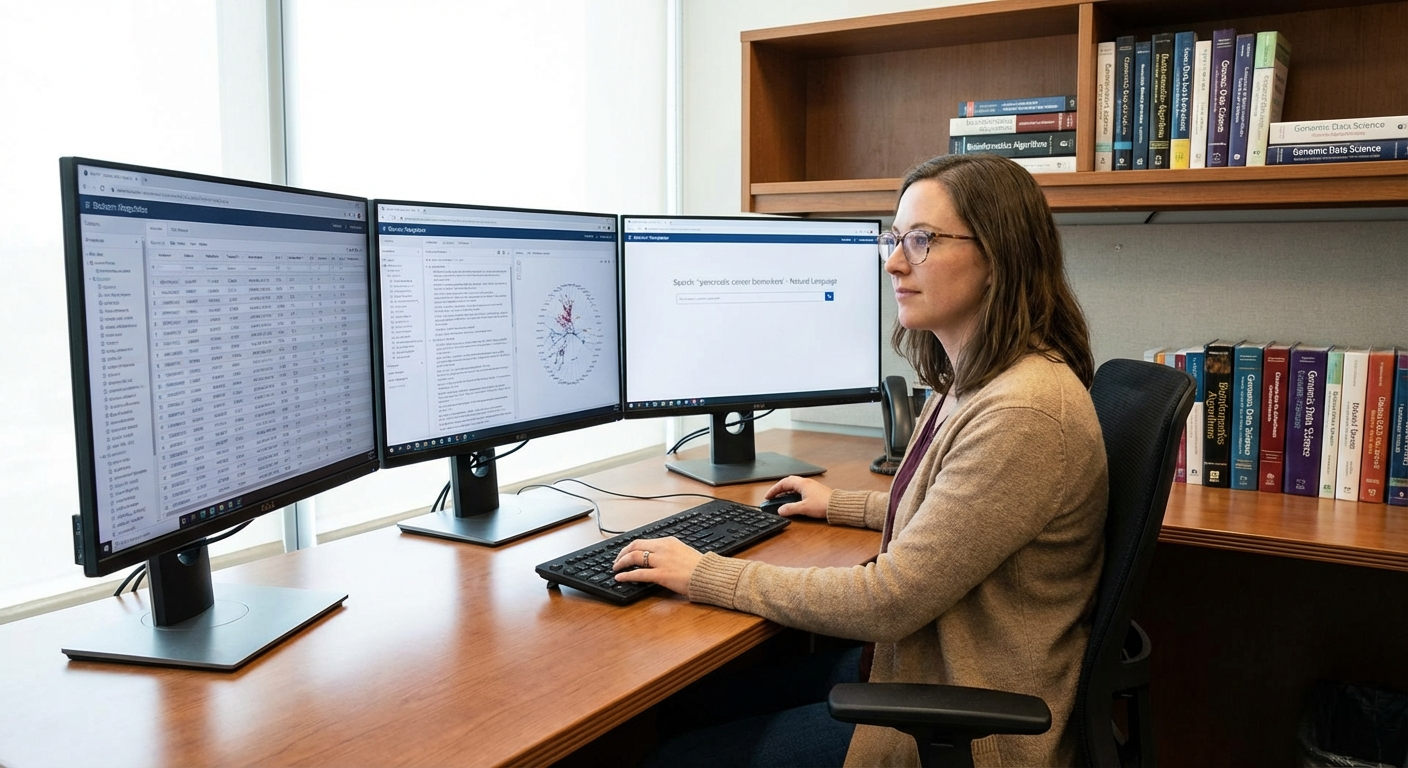
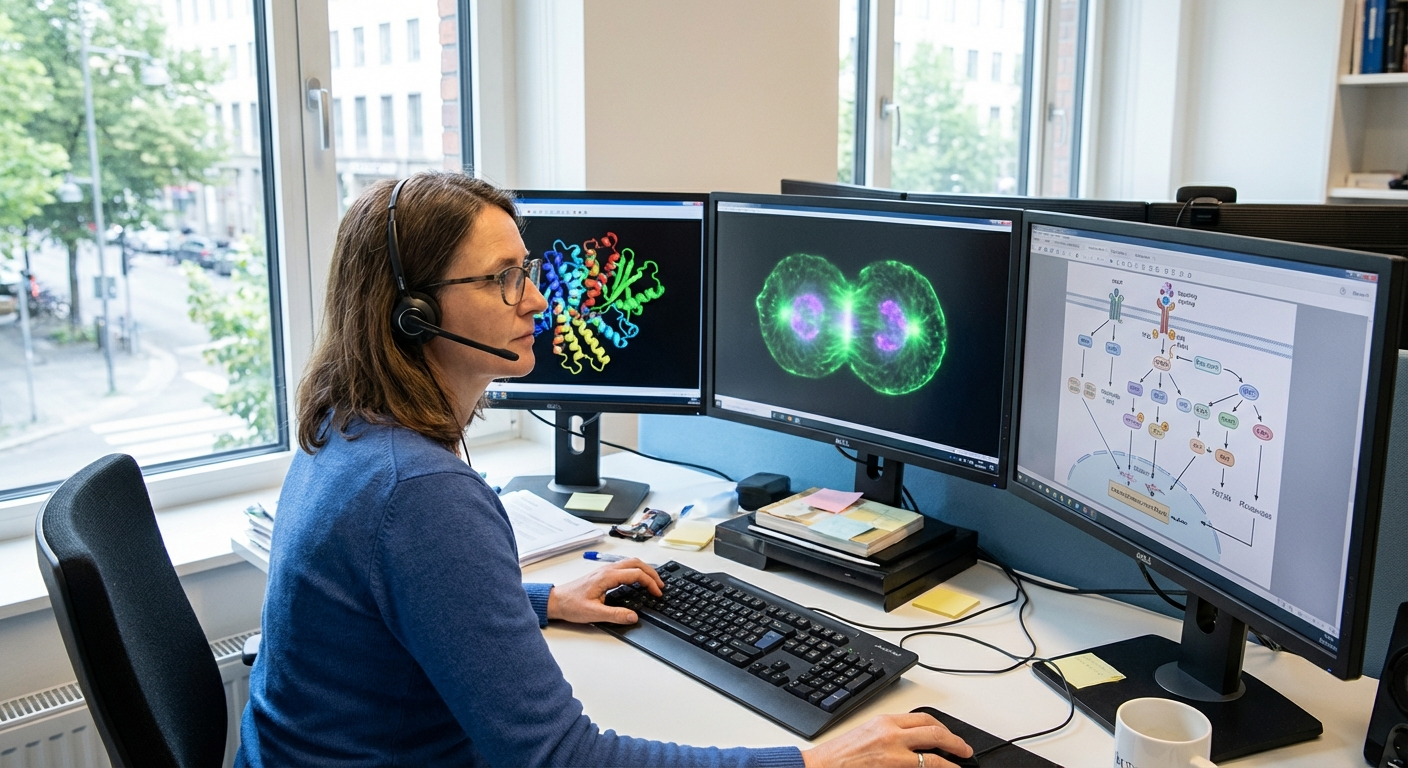
A researcher reviewing data on multiple monitors
In the dataBiomedical research & discovery leads
A physician and a patient discussing care over a tablet
In the clinicTranslational & clinical teams
4,000+
indexed workflows across 36 biomedical domains
32
named QC profiles — each threshold cited to a published standard
<30 min
average time from question to QC-graded result
60+
named live database connections — UniProt, PDB, gnomAD, ChEMBL, Ensembl, GEO, KEGG, and more
How it works

From question to result in three steps.

Describe what you need. BioMate selects the right workflow, runs it on cloud compute, and returns quality-checked, audit-ready results — in minutes, not days.

01

Ask in plain language.

Describe your scientific objective — a compound to profile, a dataset to process, a regulatory package to prepare. BioMate identifies the right validated workflow automatically.

02

Review and confirm.

See the workflow plan, check the parameters, adjust anything you need — then approve. BioMate runs the analysis on GPU-backed cloud compute. No code, no queue, no infrastructure to manage.

03

Get results that hold up.

Outputs arrive with evidence-graded QC, an AI-authored findings summary, a draft Methods section, and a complete audit trail. Ready for internal review, a regulatory submission, or the next experiment.

How BioMate works

One AI assistant — from raw data to audit-ready result.

BioMate connects your instruments, AI clients, and messaging tools to 4,000+ indexed workflows across 36 biomedical domains — executed on AWS Batch via Nextflow, QC-graded, and delivered as structured, reproducible reports.

BioMate AI platform architecture: CONNECT layer (MCP, Open Claw, REST API, Slack, Feishu, 10 lab instruments) → ANALYZE layer (AI orchestration routing to 4,000+ workflows across 36 biomedical domains) → DELIVER layer (structured reports, IND sections, CRO packages, Gold/Silver/Bronze QC, immutable audit trail)
BioMate AI — AI assistant for biomedical research and application, connecting instruments and AI clients to audit-ready results.
What BioMate can do

Research. Drug discovery. Clinic.

RNA-seq, genomics, single-cell multi-omics, spatial transcriptomics, epigenomics, metagenomics, precision medicine, drug discovery, structural biology, cryo-EM, proteomics, clinical genomics — BioMate identifies the right workflow, runs it on cloud compute, and returns a quality-checked, audit-ready result in hours, not weeks.

Target discovery

Binding‑pose triage in minutes

Rank co‑crystal and AlphaFold‑predicted poses by computed ΔG and proximity to known hot‑spots, with the SAR rationale written for you.

Lead optimization

Virtual screen, with provenance

Score compound libraries against your target pocket using structure‑based docking and pharmacophore filtering — every hit traced back to its source.

ADMET / DMPK

A drug‑likeness profile that argues with itself

Six‑axis ADMET predictions side‑by‑side with experimental neighbors, flagged where the structure leaves the model’s domain of applicability.

PBPK simulation

Predicted vs. observed, on the same axes

Plot in‑silico plasma profiles against historical clinical data with auto‑sourced compartment parameters — ready for your DMPK reviewer.

Clinical pharmacology

Dose simulation, before the first patient

Run dose‑escalation simulations, population PK models, and exposure‑response analyses to inform trial design and dose selection.

Multi‑omics

Differential expression that holds up to QC

Cluster RNA‑seq, proteomics, and metabolomics with row‑scaled heatmaps that link every gene set back to its primary citation.

Transcriptomics

RNA‑seq from count matrix to pathway enrichment

DESeq2, edgeR, or limma differential expression on bulk RNA‑seq data — QC‑graded results with volcano plots, heatmaps, and clusterProfiler pathway enrichment.

Single‑cell

Cell types and trajectories from your scRNA‑seq

Seurat or Scanpy clustering, SingleR and CellTypist cell‑type annotation, and trajectory analysis with Monocle3 and scVelo — from count matrix to annotated UMAP.

Variant calling

WGS variant calling with GATK4 and DeepVariant

Germline and somatic variant calling on whole‑genome or targeted panel data — filtered, annotated, and delivered as audit‑ready VCF with clinical interpretation.

Structural biology

High‑resolution structure from raw micrographs

CryoSPARC single‑particle analysis: motion correction, CTF estimation, particle picking, 2D/3D classification, and final refinement on GPU — publication‑ready density map.

Epigenomics

Methylation, chromatin access, and binding sites

WGBS bisulfite sequencing, ATAC‑seq chromatin accessibility, and ChIP‑seq peak calling — DMR detection and motif enrichment cited to published thresholds.

Microbiome

Microbiome composition from 16S or shotgun reads

QIIME 2 amplicon and shotgun metagenomics — taxonomy classification, alpha/beta diversity analysis, and differential abundance with reproducible parameter logs.

What we believe

Built for science, by people who care about getting it right.

A general‑purpose AI will happily make up a tool name or invent a parameter. In biomedical research, that means wrong results, wasted resources, and indefensible outputs. We made some choices — and we'd rather tell you about them than hide them.

Validated workflows, not guesses

Every workflow in BioMate maps to real published methodology. The AI routes to validated methods — it cannot invent a tool, a parameter, or a pipeline step.

QC with a citation

Gold, Silver, and Bronze thresholds are each cited to a primary source. You can always trace a QC decision back to the paper, guideline, or regulatory document that established it.

Reproducibility by design

Every run records tool versions, parameters, and QC decisions. Re-run any analysis identically at any time — the result resolves to the same methods and the same sources.

Your data, in your workspace

Analyses run in an isolated workspace. Your data is never used to train shared models, ever. HIPAA-ready, SSO-enabled, with role-based access on Team and Enterprise plans.

No code required

Describe your objective in plain language. BioMate selects the right workflow, pre-fills parameters, and runs the analysis. The scientific judgment stays with you.

Honest about what we do

BioMate automates computational workflows — not scientific reasoning. We tell you when a use case is outside the platform's scope, and we don't pretend otherwise.

Live data, not model memory

Answers draw from 60+ named live databases — UniProt, PDB, AlphaFold, ChEMBL, Ensembl, gnomAD, ClinVar, GEO, KEGG, Reactome, Open Targets, and more — queried in real time. Not cached. Not estimated. See the full list →

See it in action

BioMate — The AI Lab Platform for Life Sciences

Spend a morning with BioMate.

Set up a workspace in under an hour. Bring the question that's been on your whiteboard for two weeks. See what comes back.